Writeline: Your Go-To Script Font for Modern Design
Finding a font that feels both personal and professional can be a real challenge. You want something with character and warmth, but it also needs to be clean and versatile. This is where the Writeline font enters the picture. It’s a script typeface that strikes a beautiful balance, offering the authentic feel of a handwritten note with the polished finish of a professional design asset. It’s not just a collection of letters; it’s a tool for telling a more compelling story.
A Closer Look at Its Visual Personality
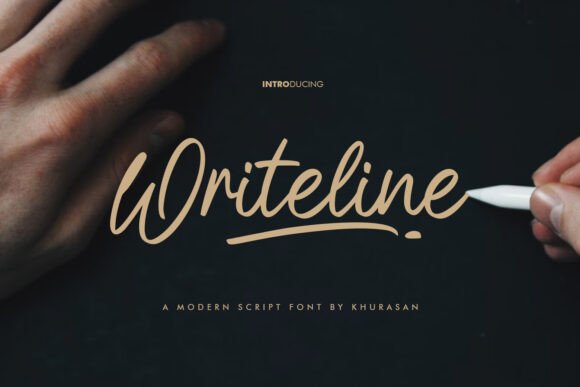
At first glance, Writeline presents itself as a modern script font. Its lines are fluid and connected, mimicking the natural flow of a pen on paper. However, what sets it apart from many other handwritten fonts is its remarkable clarity. Each character is crafted with precision, ensuring that the overall look is stylish and elegant without sacrificing legibility. It avoids the messy, overly casual aesthetic that can make some script fonts difficult to use in professional contexts. The result is a display font that feels sophisticated, approachable, and contemporary.
The personality of Writeline is one of quiet confidence. It’s expressive but not loud. This makes it an incredibly adaptable creative font. It can convey a sense of artisanal quality for a small business, a touch of elegance for a wedding invitation, or a friendly and relatable tone for a lifestyle brand. Its visual appeal lies in this versatility—it can be dressed up or down depending on the context and the other design elements it’s paired with.
Where Writeline Truly Shines
The real strength of a premium font like Writeline is its ability to enhance a wide range of projects. It’s a workhorse for designers and creators who need a typeface that delivers impact across different mediums. Thinking about its applications helps you understand its true value.
Branding and Identity Projects
When building a brand identity, the primary typeface sets the tone. Writeline excels in creating logos that feel personal and memorable. It’s particularly effective for brands in the wellness, beauty, fashion, and artisanal food spaces. Imagine it on a coffee shop’s logo, a boutique clothing tag, or the branding for a freelance photographer. It instantly communicates a human touch. Beyond the logo, it works beautifully for business cards, letterheads, and thank-you notes, creating a cohesive and professional brand experience.
Marketing and Digital Content
In the fast-paced world of digital marketing, grabbing attention is everything. As a display font, Writeline is perfect for headlines on websites, blog post titles, and call-to-action graphics. Its unique style helps break through the visual noise of a standard sans serif font or serif font. For social media, it’s a game-changer. Use it to create eye-catching quotes for Instagram, stylish headers for Pinterest pins, or engaging text overlays for video content. It adds a layer of personality that generic system fonts simply can’t match.
Publishing and Editorial Design
In editorial design, contrast is key. Pairing Writeline with a clean, readable body font can create a stunning visual hierarchy. Use it for chapter titles in a book, pull quotes in a magazine article, or the masthead of a newsletter. It draws the reader’s eye and adds a moment of visual delight. For book covers, especially in genres like romance, memoir, or contemporary fiction, it provides an immediate sense of the story’s tone and style.
Packaging and Physical Products
Packaging design is another area where Writeline thrives. Its handwritten quality makes it ideal for product labels on artisanal goods, from candles and soaps to gourmet sauces and craft beverages. It suggests that care and attention went into the product itself. The font’s clarity ensures that essential information remains easy to read, even when used at smaller sizes on a label.
Practical Guidance for Using Writeline
Simply having a great font isn’t enough; knowing how to use it effectively is what separates good design from great design. Here are some practical tips for integrating Writeline into your work.
Mastering Font Pairing
A script font rarely works well on its own for body text. The key to using Writeline effectively is smart font pairing. It pairs exceptionally well with simple, geometric sans serif fonts like Montserrat, Lato, or Poppins. The clean lines of the sans serif provide a perfect, stable backdrop that allows the script font’s personality to stand out without creating visual clutter. For a more classic or elegant feel, you could also pair it with a traditional serif font. The goal is always contrast and balance.
Considering Readability
While Writeline is designed for clarity, it’s still a script font. This means it’s best suited for short bursts of text—headlines, logos, subheadings, and callouts. Avoid using it for long paragraphs, as this will quickly tire the reader’s eye. Always test your designs at the intended size to ensure every letter is legible, especially for critical information like a business name or a product feature.
Evaluating Your Project’s Needs
Before choosing any typeface, ask yourself what feeling you want to evoke. Does your project call for something formal and traditional, or modern and approachable? Writeline fits squarely into the latter category. If your brand or project aims to feel human, authentic, and stylish, it’s an excellent candidate. Consider your audience and the message you want to send. A financial institution might choose a different path, but a lifestyle blogger or a creative agency would find it fits perfectly.
Understanding the Commercial License
When you acquire a commercial font, you’re not just buying the files; you’re buying the right to use them. It is crucial to understand the licensing terms. A standard commercial license for a font like Writeline typically covers a wide range of uses, including logo design, marketing materials, and digital content. However, if you plan to use it in a way that allows others to access the font files (like in a web app or on a platform like Canva), you may need an extended license. Always read the license agreement to ensure your usage is covered.
Ultimately, Writeline is more than just a pretty script. It’s a versatile and practical tool for anyone looking to add a touch of elegance and personality to their creative projects. By understanding its strengths and applying it thoughtfully, you can make your designs stand out and connect with your audience on a more personal level.